Legacy and Controversy: Why America Is Not Called Columbia
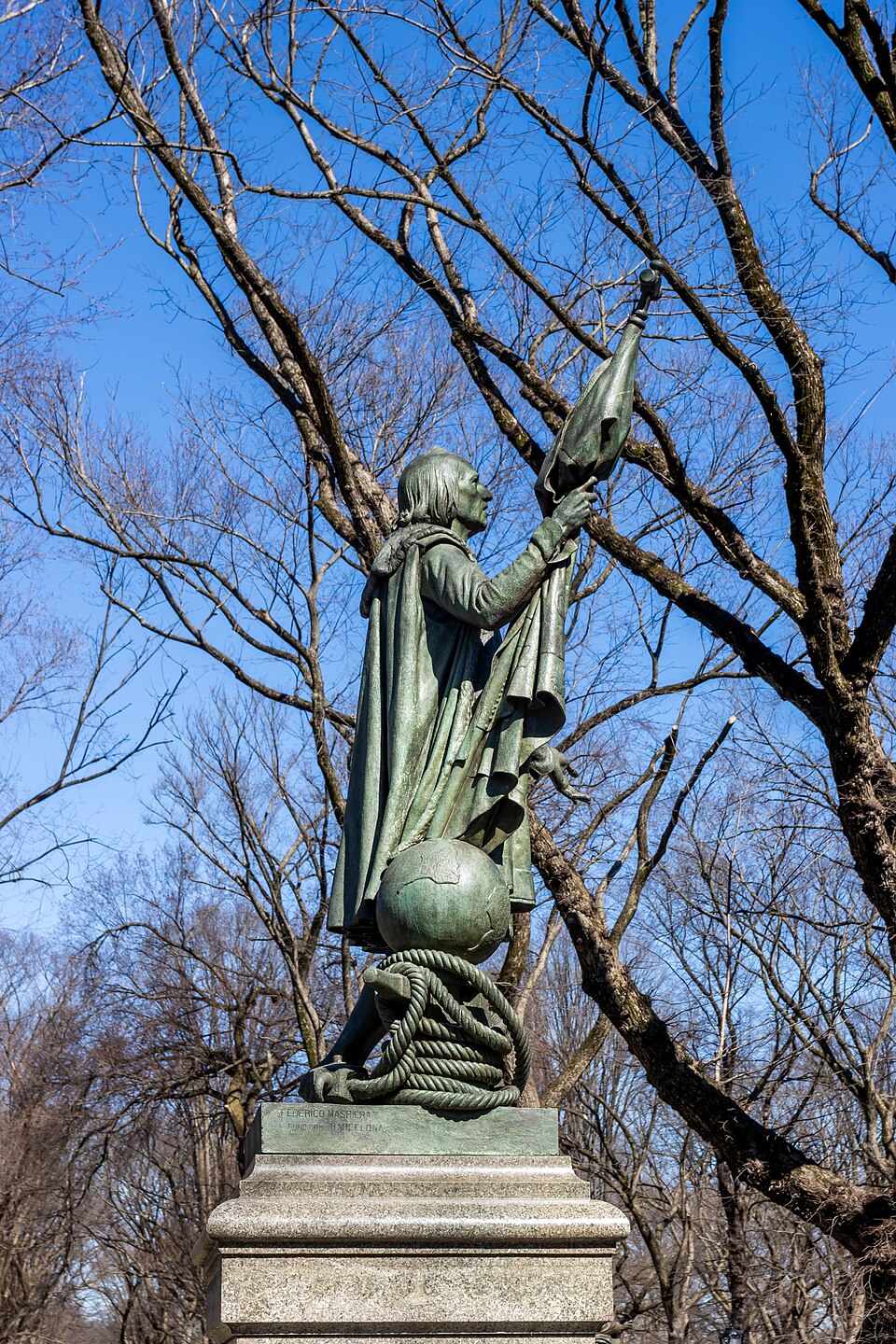
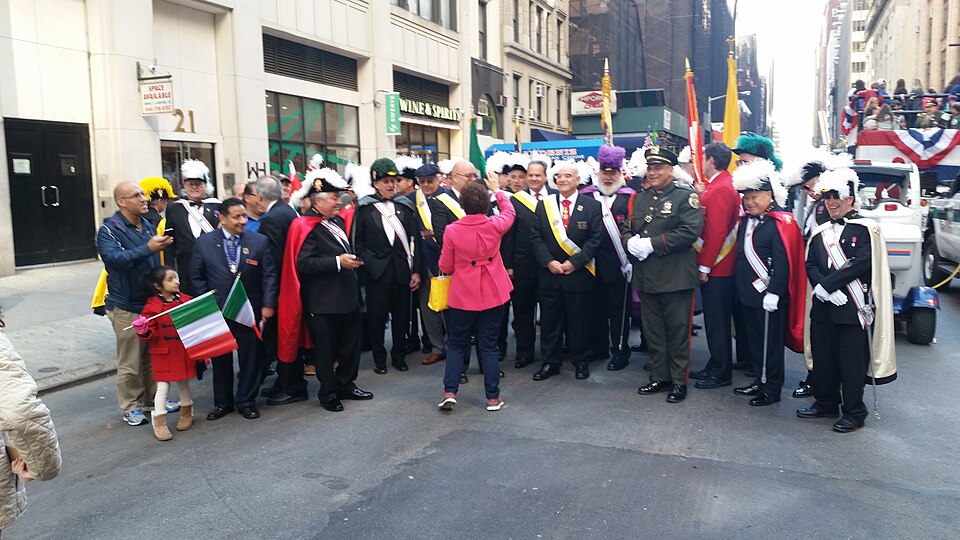
Columbus never set foot on the mainland of North America. He never accepted that he had found a new continent. He died in 1506 believing he had reached Asia, and the continents he reached were named after another man. Yet for centuries he was celebrated in the United States as the hero who discovered America, with a federal holiday, hundreds of statues, and a capital city named in his honour. In recent decades that celebration has been challenged, and the argument about Columbus — hero or villain, discoverer or conqueror — has become one of the most heated in American public life. The argument is not about whether his voyages mattered. It is about how to remember them.
In short
Amerigo Vespucci, an Italian explorer who sailed to the South American coast in 1501, correctly argued that the lands Columbus found were a previously unknown continent, which he called the Mundus Novus, the New World. In 1507 the German cartographer Martin Waldseemüller, making a new map of the world, named the new continent "America" after Vespucci — the first time the name appeared in print. Columbus Day became a US federal holiday in 1937, largely through the advocacy of Italian-Americans. Berkeley, California, established the first Indigenous Peoples' Day in 1992, and many US states and cities have since replaced or supplemented Columbus Day with it. Columbus's burial place is disputed, and a 2024 DNA study suggesting Sephardic Jewish ancestry remains contested.
The man who understood, and the map that named a continent
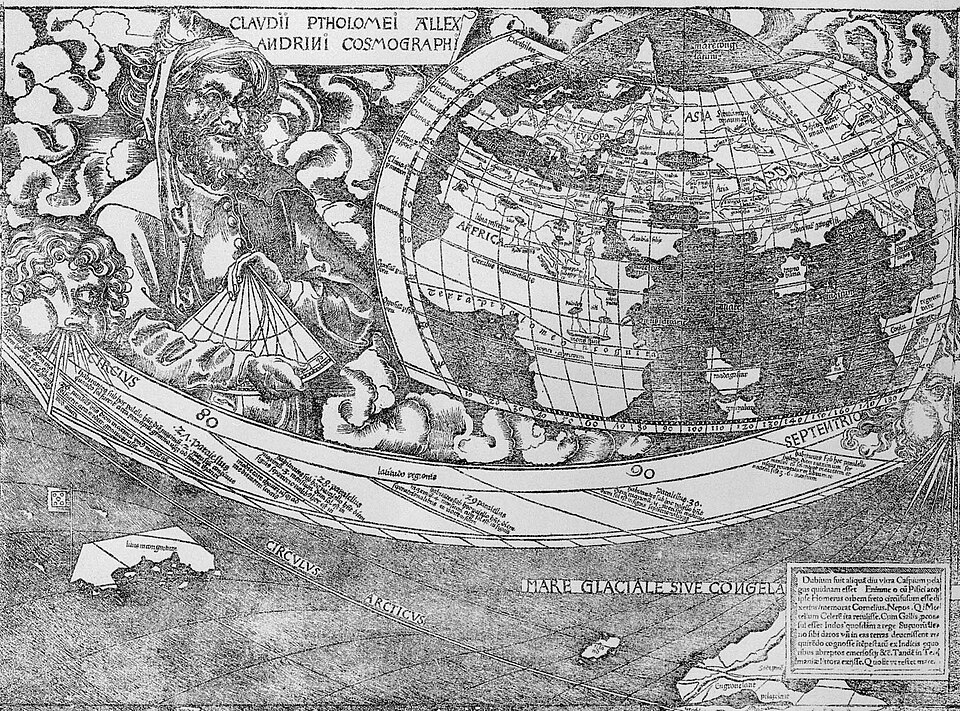
The man who understood what Columbus had found was Amerigo Vespucci, an Italian explorer and cartographer from Florence. Vespucci sailed to the South American coast in 1501, on a Portuguese-financed expedition, and correctly identified the lands as a previously unknown continent. He called it the Mundus Novus — the New World — and his letters describing the continent circulated widely across Europe. In 1507, a German cartographer named Martin Waldseemüller, working with the scholar Matthias Ringmann on a new edition of Ptolemy's Geography, drew a map of the world that incorporated Vespucci's findings and named the new continent "America", a Latinised version of Amerigo. The accompanying book, Cosmographiae Introductio, published in April 1507, was the first time the word "America" appeared in print.
The irony is complete: Columbus arrived first, but he refused to believe he had arrived anywhere new, so the continent was named after the man who arrived second and understood what he had found. Waldseemüller himself later seems to have regretted the name — on a later map he called the continent Terra Incognita — but by then it was too late. The name stuck. Columbus never received credit for finding what he found because he never accepted that he had found it. The continents are called America, not Columbia, because of a decision made by a German mapmaker in a small town in the Vosges mountains, fifteen years after the first voyage, on the basis of letters written by a Florentine who had sailed to Brazil.
How Columbus became an American hero
Columbus was not always an American hero. In the centuries after his death, he was a relatively minor figure in Spain, remembered more for his failures as a governor than for his voyages. His reputation in the United States was built later, and for reasons that had little to do with 1492. The first Columbus Day celebration was held in 1792, on the 300th anniversary of the landing, and the young United States — looking for founding figures who were not British — adopted Columbus as a symbol of the American spirit of discovery. The name Columbia became a poetic name for America itself, and it survives in the District of Columbia, in Columbia University, and in dozens of towns and rivers.
The holiday itself was the work of Italian-Americans. In 1892, President Benjamin Harrison proclaimed a national celebration of the 400th anniversary of the landing — a decision made shortly after a mob in New Orleans lynched eleven Italian immigrants, and intended in part to placate Italian-American feeling. In 1934, Congress passed a statute requiring the president to issue an annual proclamation designating 12 October as Columbus Day, and in 1937 it became a federal holiday. The Uniform Monday Holiday Act of 1968 moved the observance to the second Monday in October, effective in 1971. For Italian-Americans, Columbus was a source of pride: a Genoese immigrant who had become a great man in the New World, at a time when Italian immigrants faced discrimination and violence. That is a real part of the story, and it is why the holiday still has defenders.
The challenge, and the debate today
The challenge to Columbus began in earnest in the late twentieth century. Native American groups argued that celebrating Columbus meant celebrating the beginning of conquest, enslavement, and epidemic disease that killed the majority of the Indigenous population of the Americas. In 1992, on the 500th anniversary of the first voyage, the city of Berkeley, California, established Indigenous Peoples' Day, to honour the people Columbus and other European explorers encountered. In the decades since, many cities and states across the United States have recognised Indigenous Peoples' Day on the second Monday of October — some instead of Columbus Day, some alongside it. Indigenous Peoples' Day is not a federal holiday, and Columbus Day remains on the federal calendar, but the map of observance is changing year by year.
The debate has also touched Columbus's statues. In 2020, during the protests that followed the murder of George Floyd, statues of Columbus were toppled, beheaded, or removed in cities across the United States, and others were removed by city authorities. Defenders of the statues argue that Columbus was a man of his time, a great navigator whose voyages changed the world, and that removing his statues erases history. Critics argue that the statues celebrate a man who began the enslavement and destruction of Indigenous peoples, and that public honour should go to others. The argument is not only about Columbus: it is about who gets to be a hero, who gets to decide, and what a country chooses to remember about its origins.
There are other loose ends in the story. Columbus's remains have been moved several times, and both Seville Cathedral in Spain and the Columbus Lighthouse in Santo Domingo claim to hold them; DNA testing has not settled the question. A 2024 DNA study from the University of Granada suggested that Columbus may have had Sephardic Jewish ancestry and been born in Spain rather than Genoa — a claim that made headlines but remains contested by historians, and which this site records only as a disputed claim, not as a fact. What is not disputed is the central irony of his life: the greatest voyage of the age was made by a man who misunderstood where he had been, and the world he opened is named for someone else. That irony, more than any statue or holiday, is his real legacy.
| Date | What happened |
|---|---|
| 1501–02 | Vespucci argues the new lands are a separate continent |
| Apr 1507 | Waldseemüller map names the continent “America” |
| 1792 | First Columbus Day celebration in the United States |
| 1892 | President Harrison proclaims national 400th-anniversary celebration |
| 1934 | Congress requires annual Columbus Day proclamation |
| 1937 | Columbus Day becomes a US federal holiday |
| 1971 | Observance moves to the second Monday in October |
| 1992 | Berkeley, California, establishes first Indigenous Peoples' Day |
| 2020 | Columbus statues toppled or removed in US cities |
| 2024 | DNA study suggests Sephardic ancestry — contested, not settled |
Sources: Henry Ford College, “Columbus Day and Indigenous Peoples' Day”; EconoPass, “Columbus Did Not Discover America”; Religion Unplugged, “Celebrating America: Why We Honor Columbus and Ignore Vespucci”; R. Ann Siracusa, “The Winners Write the History Books.” Checked 29 November 2026.