The Three Ships: The Niña, the Pinta, and the Santa María
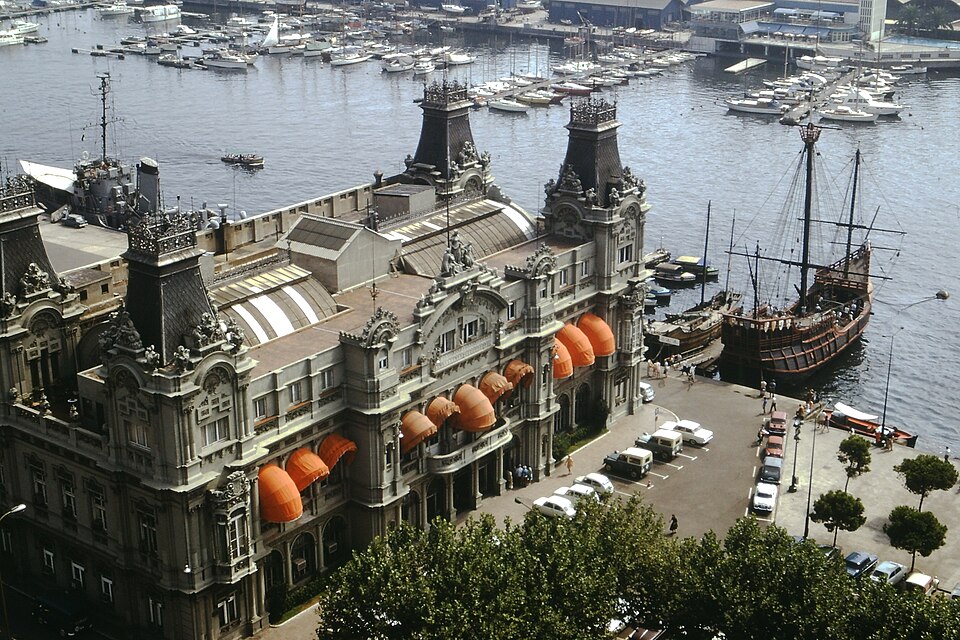
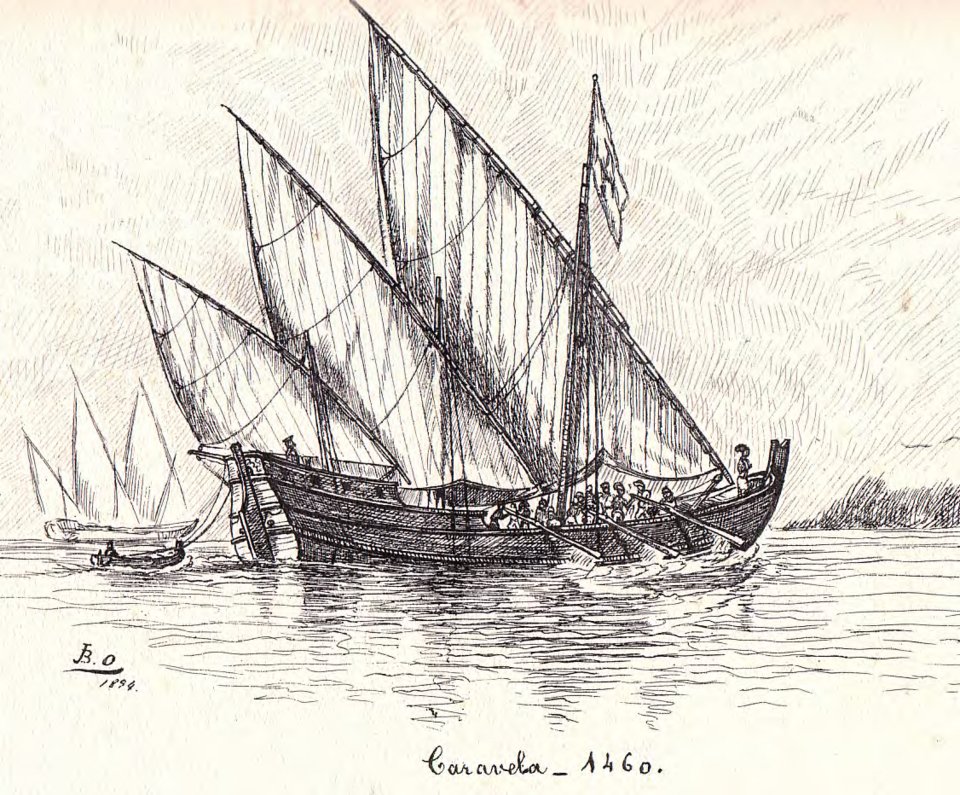
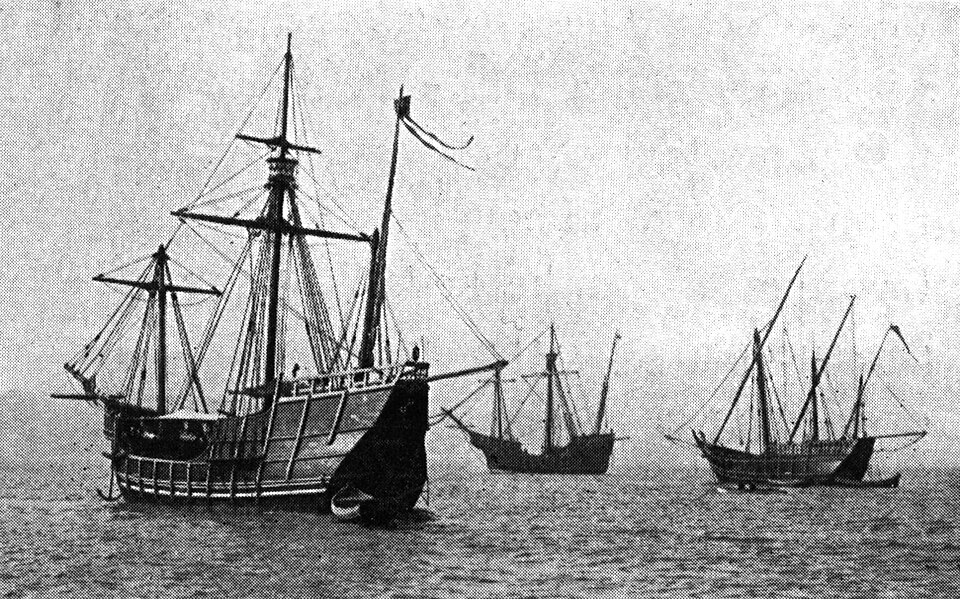
The fleet that changed the world was not impressive. It was three small wooden ships, the largest of them shorter than a modern ferry, carrying about ninety men, a few horses' worth of supplies, and no charts of where they were going. There were no purpose-built exploration vessels, no warships, and no backup. What the three ships had was the right combination for the job: a roomy flagship to carry the stores, and two fast caravels to scout ahead and explore the coasts. Columbus came to love the smallest of them best — and it was the only one of the three that made it home in one piece.
In short
The fleet of 1492 was the Santa María, a nao (carrack) of about 100 tons, owned by Juan de la Cosa and serving as flagship with a crew of about 40; the Pinta, a fast caravel of about 100 tons captained by Martín Alonso Pinzón with a crew of about 26; and the Niña (properly the Santa Clara), a caravel captained by Vicente Yáñez Pinzón with a crew of about 20. About 90 men sailed in all. The Santa María was wrecked off Hispaniola on Christmas Day 1492; the Niña and the Pinta returned to Spain in March 1493.
The flagship: Santa María
The Santa María was the largest of the three ships and the one Columbus liked least. She was a nao — a carrack-type merchant vessel — of about 100 to 120 tons burden, with a high forecastle and sterncastle, square sails on the fore and main masts, and a lateen sail on the mizzen. She had been chartered from her owner, Juan de la Cosa, a Basque mariner from Santoña who sailed with the expedition as master and later became a famous cartographer. Columbus found her slow, heavy, and awkward to handle, and he complained about her in his journal. But she was also the fleet's cargo carrier, and Columbus hoisted his flag aboard her, making her the flagship and his home for the crossing.
The Santa María carried about forty men, including Columbus himself, Juan de la Cosa, the pilot, and most of the expedition's stores. She was decked, which meant she had a full deck above the hold — a comfort for the crew and a necessity for carrying supplies across an ocean. Her end came on Christmas Day 1492, off the north coast of Hispaniola. The ship ran aground on a reef while the crew was ashore or asleep, and despite every effort she could not be freed. Columbus had her timbers stripped to build a small fort, La Navidad, where he left thirty-nine men. The flagship's wreck was the first loss of the voyage, and it was also, in a sense, the first settlement: the fort built from her bones was the first European foothold in the Americas.
The Pinta: the scout
The Pinta was the fastest of the three ships, and the one that did the most important work. She was a caravel of about 100 tons, square-rigged on the fore and main masts with a lateen mizzen, and her captain was Martín Alonso Pinzón, the most experienced and headstrong mariner of the expedition. Pinzón was a wealthy shipowner from Palos whose support had been essential: he had talked the sailors of Palos into joining the voyage, and his reputation gave the expedition credibility it would not otherwise have had. His brother Vicente Yáñez commanded the Niña, and a third brother, Francisco, sailed as well.
The Pinta's speed made her the fleet's scout. She sailed ahead, signalled land, and repeatedly outran the other two ships. It was her lookout, Rodrigo de Triana, who first sighted land at two in the morning on 12 October 1492 — a sighting that won him the reward the monarchs had promised, though Columbus later claimed he himself had seen a light the night before, and the reward went to him instead. The Pinta also caused Columbus the most trouble: in the Canary Islands her rudder broke and had to be repaired, and on the return voyage she separated from the Niña in a storm and made her own way back to Spain, reaching Bayona in Galicia before rejoining Columbus at Palos. Martín Alonso Pinzón died within days of his return, worn out by the voyage and, some say, bitter at Columbus's treatment of him.
The Niña: the little ship that could
The Niña was the smallest of the three ships, and the one Columbus came to prefer above the others. Her proper name was the Santa Clara — Niña was a nickname, probably after her owner, Juan Niño of Moguer — and she was a caravel of about 50 to 60 tons by some accounts, or about 100 tons by others, commanded by Vicente Yáñez Pinzón with a crew of about twenty men. In the Canary Islands she was refitted with square sails, which made her faster before the wind, and Columbus found her handy, seaworthy, and reliable in a way the Santa María never was.
The Niña's qualities showed on the return voyage. When the Santa María was lost, Columbus transferred his flag to the Niña, and she carried him home across a stormy Atlantic, through a terrifying tempest in February 1493 that nearly sank her. She reached Lisbon on 4 March and Palos on 15 March, hours ahead of the Pinta. Columbus liked her so much that she sailed on his second voyage as well, and she was later used on the third. Of the three ships of 1492, the Niña is the only one that survived the first voyage intact — a small, tough caravel that outlived the flagship and outsailed the scout.
The men aboard
About ninety men sailed in the fleet — sources give figures from 87 to 90 for the crew, and up to 120 if officers, servants, and adventurers are counted. The popular image of a crew of prisoners and cutthroats is mostly a myth. Only a handful of men took a royal pardon in exchange for joining, and the great majority were experienced sailors from Palos, Moguer, and Huelva — men who knew the Atlantic, who had sailed to the Canaries and down the African coast, and who trusted the Pinzón brothers more than they trusted Columbus. The crew included a pilot, a surgeon, a notary to record the taking of possession, a translator — Luis de Torres, a converted Jew who spoke Hebrew, Aramaic, and some Arabic, on the theory that the people of Asia might understand one of them — and several servants and boys.
Palos itself had been ordered to supply two of the ships as a penalty for earlier offences against the Crown, which is one reason the little port was chosen. The Pinzóns, who were among the richest and most respected men of the town, put up money and recruited the crews. Without them, it is doubtful the voyage would have sailed at all. Columbus supplied the plan and the royal commission; the Pinzóns supplied the ships, the sailors, and the local knowledge. That partnership — uneasy from the start — is one of the reasons the voyage succeeded, and one of the reasons Columbus spent the rest of his life quarrelling with the men who had made it possible.
| Ship | Type | Captain | Crew | Fate |
|---|---|---|---|---|
| Santa María | Nao (carrack), ~100 tons | Columbus (owner: Juan de la Cosa) | ~40 | Wrecked off Hispaniola, 25 Dec 1492 |
| Pinta | Caravel, ~100 tons | Martín Alonso Pinzón | ~26 | Returned to Spain, Mar 1493 |
| Niña (Santa Clara) | Caravel, ~50–100 tons | Vicente Yáñez Pinzón | ~20 | Returned to Spain, Mar 1493; sailed again in 1493 |
Sources: Encyclopedia.com, “Columbus, Christopher”; HistorySnacks, “Columbus Sets Sail”; Borders of Time, “Voyages of Christopher Columbus”; White House, “Sail On: Columbus Day”; Historian.info, “Columbus Sets Sail from Palos.” Checked 29 November 2026.