Christopher Columbus: The Voyages That Joined Two Worlds
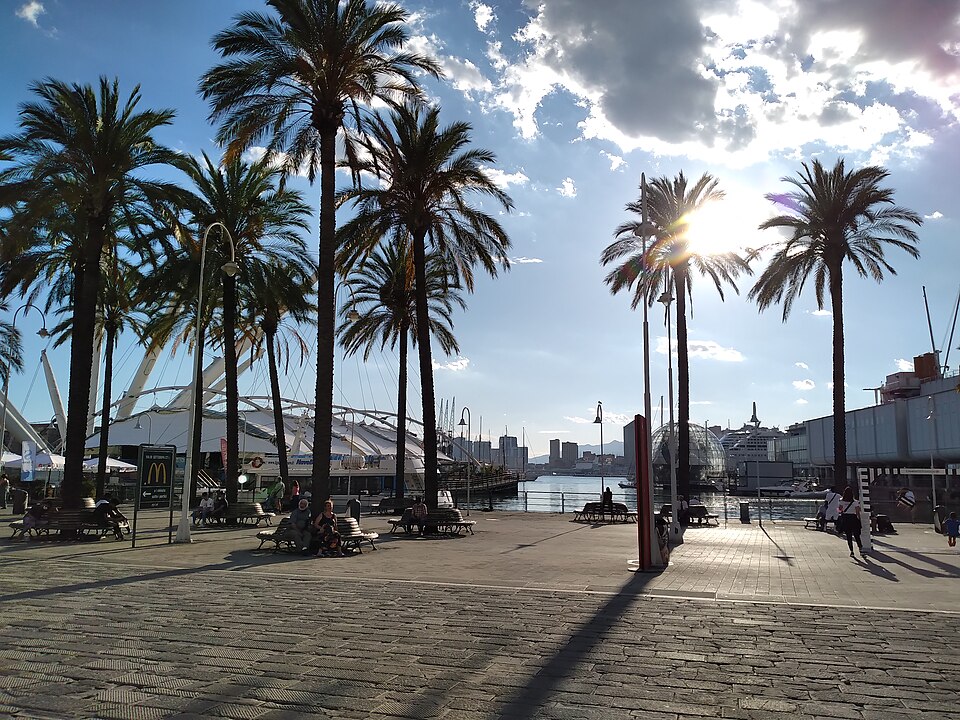

In 1492 a Genoese sailor in the service of Spain sailed west across an ocean no European had ever crossed — and reached a world he never knew existed. Christopher Columbus made four voyages to the Americas between 1492 and 1504, and he died in 1506 still believing he had found Asia. His voyages joined Europe and the Americas in lasting contact, and with that contact came trade, migration, conquest, disease, and five centuries of argument about what his voyages really meant. This site tells the whole story in eleven chapters: the weaver's son from Genoa, the idea of sailing west, the bargain with Spain, the three small ships, each of the four voyages, the ships and navigation that made them possible, the colonization that followed, and the legacy we still argue about today.
Start here
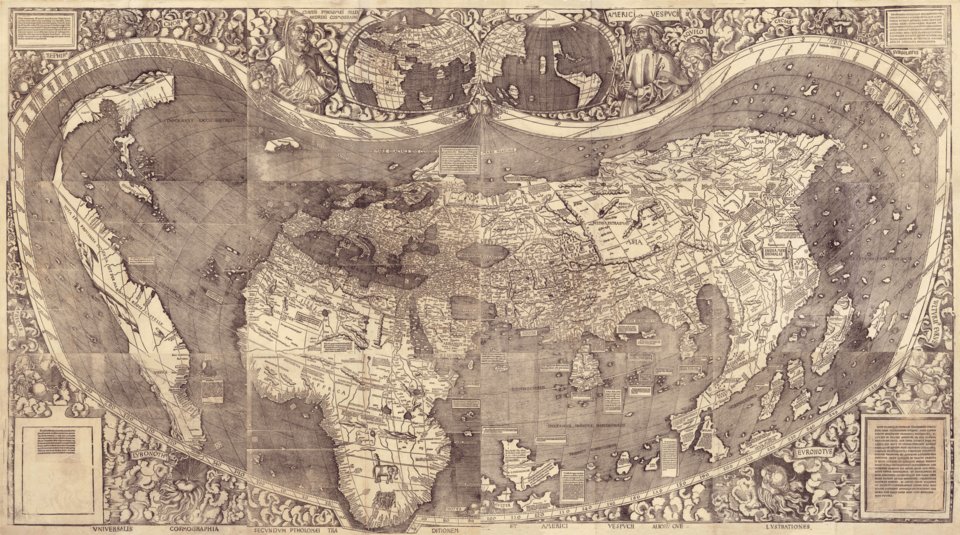
Five numbers tell the story. Columbus was born in Genoa sometime between 25 August and 31 October 1451, the son of a wool weaver. His first fleet was just three ships and about 90 men, and the crossing from the Canary Islands took 36 days. His second voyage, a year later, was a colonizing fleet of 17 ships and 1,200 to 1,500 people. On Hispaniola, the Taíno population counted at about 60,000 in 1508 had fallen to about 2,000 by 1542. And the continents he reached are named not for him but for Amerigo Vespucci, on a German map of 1507 — because Vespucci, unlike Columbus, understood that these lands were a new continent.
The man and the idea
- Early Life and Origins — a weaver's son in Genoa, shipwreck off Portugal, and a new life in Lisbon.
- The Idea of Sailing West — why Columbus believed Asia lay a short sail west, and why the experts were right to doubt him.
- The Spanish Bargain — seven years of refusals, the fall of Granada, and the contract of Santa Fe.
- The Three Ships — the Santa María, the Niña, and the Pinta, and the ninety men who sailed them.
The four voyages
- The First Voyage, 1492 — Palos to the Bahamas in 70 days, and the wreck of the Santa María.
- The Second Voyage, 1493–96 — seventeen ships, the founding of La Isabela, and the first colony.
- The Third Voyage, 1498–1500 — the South American mainland, rebellion, and arrest in chains.
- The Fourth Voyage, 1502–04 — the search for a strait, a hurricane, and a year stranded in Jamaica.
How it worked, and what it meant
- Navigation and Ships — dead reckoning, trade winds, caravels, and the great miscalculation.
- Colonization and Consequences — the encomienda, the Taíno collapse, and the Columbian Exchange.
- Legacy and Controversy — why America is not called Columbia, Columbus Day, and the debate today.
What this site will not do
Columbus Decoded is general information for curious readers, not advice for any specific purpose — it will not tell you what to believe about a contested event, only what the evidence says and where historians disagree. It recommends no products, carries no affiliate links, and never collects your email address. Dates before the modern era are approximate, and the guides say so where the evidence is uncertain; where historians disagree, the guides name the debate instead of picking a side. Columbus's own journal survives only in the abridged copy made by Bartolomé de las Casas, and this site says so wherever the journal is quoted.
All dates on this site were checked against the sources named on each page on 29 November 2026. Dates before the modern era are approximate, and each guide says where the evidence is uncertain or historians disagree.
Sources: This site's facts come from primary and reference sources named on each page: Encyclopaedia Britannica, the Library of Congress, the National Humanities Center, EBSCO Research Starters, the Smithsonian Institution, and the Encyclopaedia Britannica.