The Fourth Voyage, 1502–04: The Strait That Wasn't There
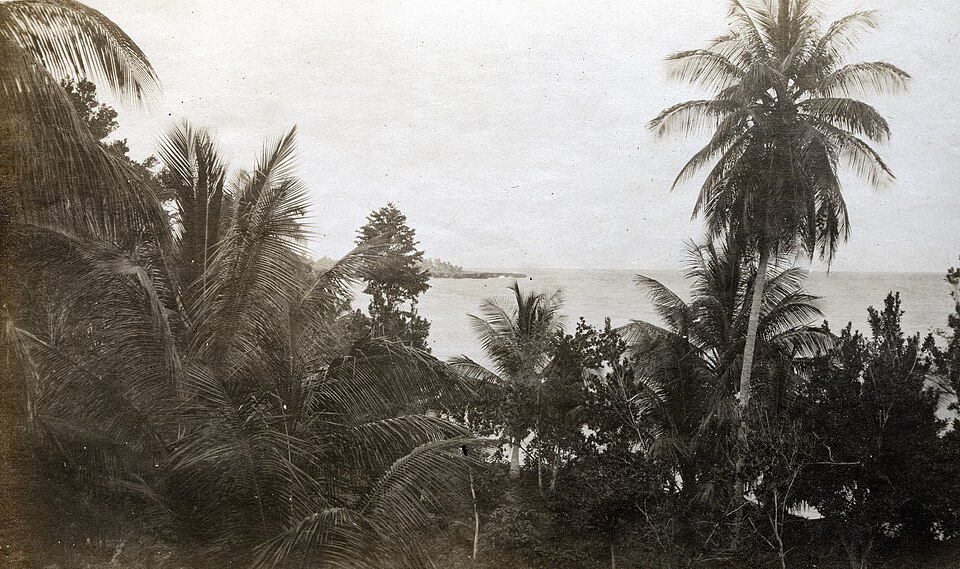
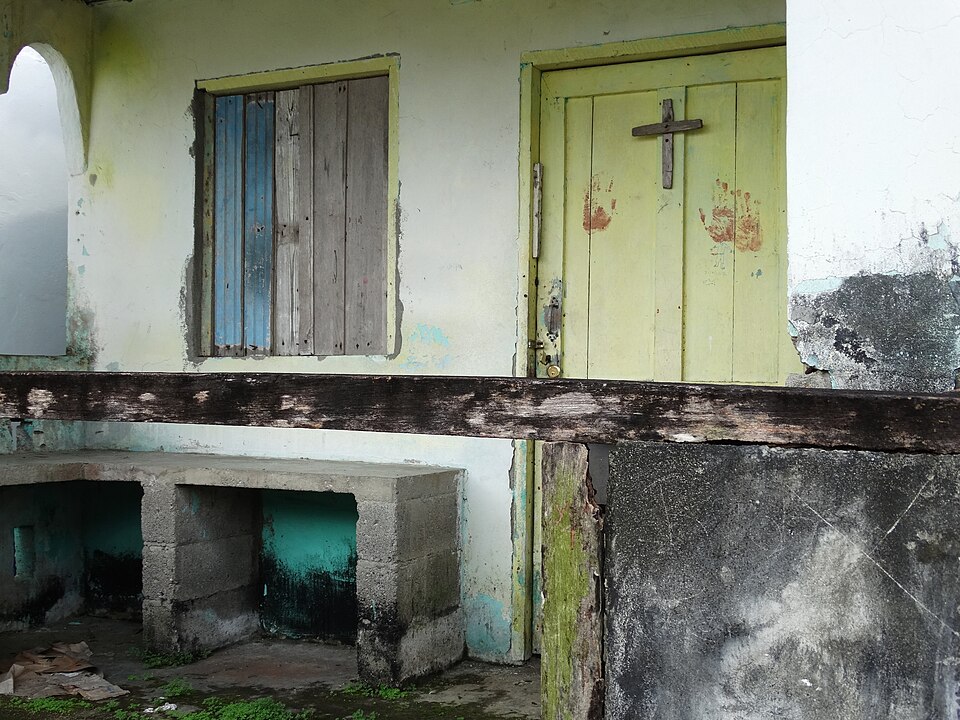
Columbus's last voyage was his hardest. He sailed in 1502 with four small, leaky ships and second-rate crews, looking for a strait through Central America into the Indian Ocean — the passage that would finally prove he had reached Asia. He found no strait. He found a hurricane that sank a Spanish fleet, hostile shores, worm-eaten ships, and a year stranded on the beaches of Jamaica, waiting for rescue while his men mutinied. He came home in 1504 a broken man, and he never sailed again.
In short
Columbus sailed on 11 May 1502 with four rickety caravels and his son Ferdinand, seeking a strait to the Indian Ocean through Central America. Forbidden to land at Hispaniola, he warned Governor Ovando of an approaching hurricane; Ovando refused him harbour and sent a fleet home — about 25 ships were sunk in the storm. Columbus explored the coasts of Honduras, Nicaragua, Costa Rica, and Panama for eight months, found no passage, and was forced by storms, worm-eaten hulls, and conflict to beach his ships in Jamaica, where he was stranded for over a year before rescue. He reached Seville on 7 November 1504.
A last chance
After his arrest in 1500, Columbus spent two years in Spain petitioning the monarchs for reinstatement and for the money he believed the Crown owed him. Isabella, who had always been his more sympathetic patron, finally gave him one last chance: four ships for a fourth voyage, to search for a strait through the lands he had found into the Indian Ocean. The terms were humiliating for a man who had once been Viceroy of the Indies: he was forbidden to land at Hispaniola, which was now governed by Nicolás de Ovando, and he was given small, poorly equipped ships with second-rate crews. His son Ferdinand, then thirteen years old, sailed with him on the flagship — the boy who would later write his father's biography was there to see the worst of it.
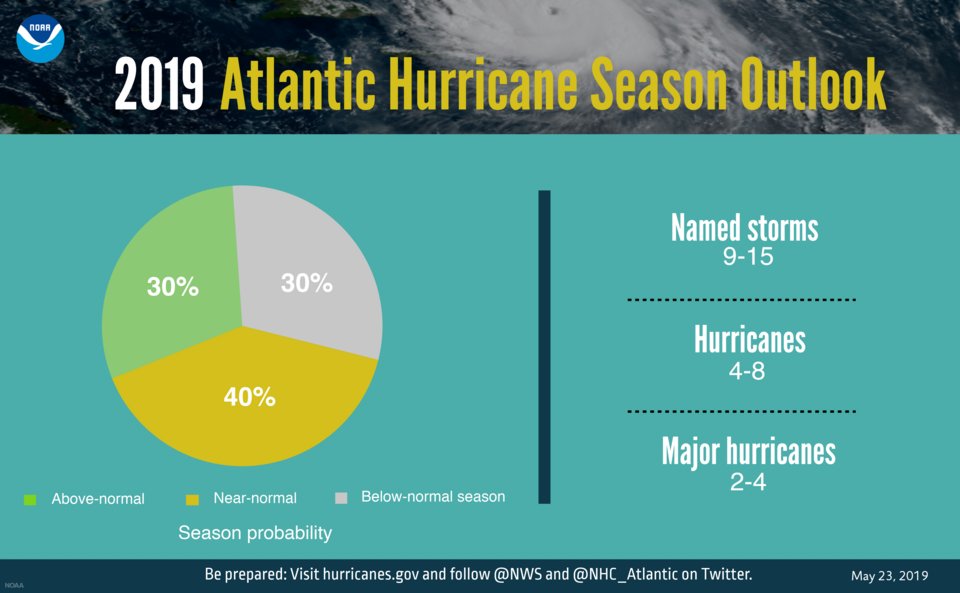
The fleet left Spain on 11 May 1502, departed the Canary Islands on 25 May, and arrived off Hispaniola on 29 June. Columbus knew a hurricane was brewing — he had read the signs in the sea and sky — and he asked Ovando for permission to shelter in the harbour at Santo Domingo. Ovando refused, and ordered the homeward-bound Spanish treasure fleet to depart as scheduled. The hurricane struck just after the fleet left. About twenty-five ships were sunk, with the loss of hundreds of lives, including Bobadilla — the man who had arrested Columbus — and Francisco Roldán, the leader of the rebellion. Columbus's own small fleet rode out the storm at sea, anchored in a sheltered bay. The man who had been forbidden to land had been right about the weather, and his enemies had paid for ignoring him.
Along the coast of Central America
From Hispaniola, Columbus sailed west and then south along the coast of Central America, through waters no European had charted. He reached the coast of Honduras in August 1502, and spent eight months working his way along the shores of present-day Honduras, Nicaragua, Costa Rica, and Panama, looking for the strait he was sure must exist. He was convinced that the land he was following was the Malay Peninsula, and that a passage to the Indian Ocean lay just ahead. There was none. What he found instead was a great continental barrier — the narrow waist of the Americas, where the land is only a few dozen miles wide but there is no sea passage through it.
The voyage was miserable. Bad weather, adverse currents, and contrary winds kept the crews from learning much about the lands they passed. The ships, already old and poorly built, were eaten by shipworm — the teredo worm that bores through wooden hulls in tropical waters — until they were barely seaworthy. In Panama, Columbus tried to found a settlement at the Belén River, hoping to mine gold, but conflict with the local people forced him to abandon it after a few months. The crews were sick, hungry, and frightened, and Columbus himself was suffering from gout and the fevers that would plague him for the rest of his life.
Stranded in Jamaica
By June 1503, the ships could go no farther. Unable to reach Hispaniola, Columbus beached his two remaining vessels — the others had already been abandoned — on the north coast of Jamaica, at St. Ann's Bay. He and his men were stranded. They lived for over a year in the beached hulls, dependent on the local Taíno for food, while Columbus waited for rescue. He sent two of his men, Diego Méndez and Bartolomé Fieschi, in canoes to Hispaniola to beg Ovando for help — a journey of over a hundred miles of open sea in dugout canoes. Ovando, who had no love for Columbus, delayed for months before sending a ship.
The year in Jamaica was the lowest point of Columbus's life. His men mutinied under the leadership of Francisco and Diego de Porras, seizing canoes and supplies and trying to escape on their own. Columbus, sick and barely able to walk, held the remaining men together with a famous piece of theatre: knowing from his almanac that a lunar eclipse would occur on 29 February 1504, he told the Taíno chiefs that his god would take away the moon if they stopped supplying food — and when the eclipse happened as predicted, the terrified Taíno resumed their deliveries. The story is often told as a clever trick, but it also shows how far the Admiral of the Ocean Sea had fallen: he was using an almanac to frighten hungry people into feeding him.
Rescue finally came in June 1504, when a ship sent by Ovando arrived, followed by another sent by Méndez from Hispaniola. Columbus and his men were taken to Santo Domingo, and from there he sailed back to Spain, reaching Seville on 7 November 1504, broken in health. He never again returned to the Indies. Isabella died three weeks later, on 26 November 1504, and with her died Columbus's last hope of recovering his titles and his fortune. He spent his final eighteen months petitioning Ferdinand, who had little interest in him, and he died in Valladolid on 20 May 1506, still convinced he had found a route to Asia, and still defending his rights under the contract of Santa Fe.
| Date | What happened |
|---|---|
| 11 May 1502 | Fourth voyage sails with four caravels; Ferdinand aboard |
| 29 Jun 1502 | Arrives off Hispaniola; Ovando refuses harbour |
| Jul 1502 | Hurricane sinks about 25 ships of Ovando's fleet |
| Aug 1502–Apr 1503 | Central American coast explored: Honduras to Panama |
| 1503 | Belén River settlement attempted and abandoned |
| 25 Jun 1503 | Ships beached in Jamaica; stranded |
| 29 Feb 1504 | Lunar eclipse used to restore Taíno food supplies |
| Jun 1504 | Rescued after more than a year in Jamaica |
| 7 Nov 1504 | Reaches Seville; never sails again |
| 20 May 1506 | Dies in Valladolid |
Sources: Encyclopedia.com, “Columbus, Christopher (c. 1451–1506)”; EBSCO Research Starters, “Columbus's Voyages”; New World Encyclopedia, “Christopher Columbus”; Encyclopedia of World History via FlyLib, “The Voyages of Columbus, 1492–1504.” Checked 29 November 2026.